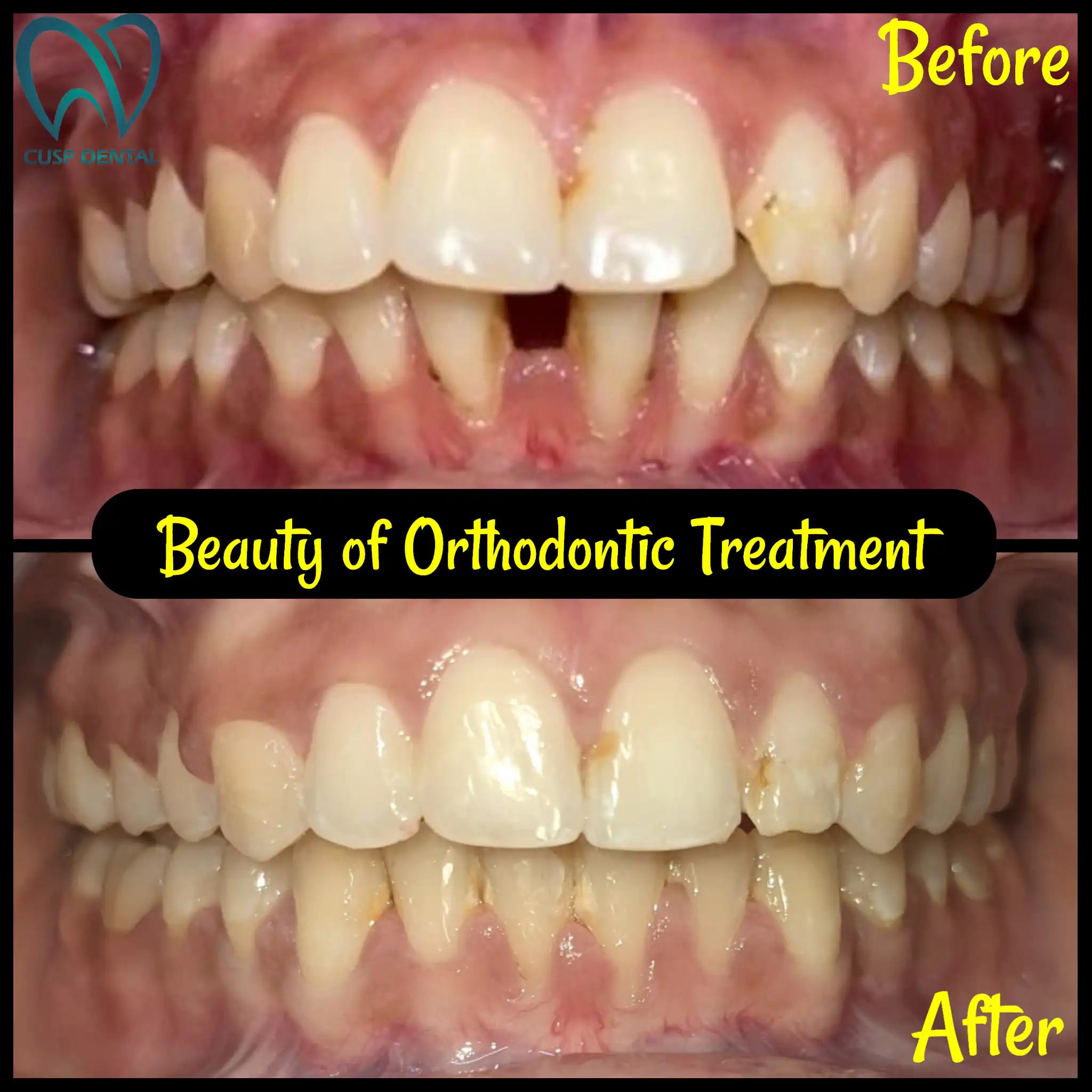
Braces Treatment in Delhi
Braces treatment is a method of orthodontic care used to straighten and align teeth. The treatment typically involves the use of metal brackets and wires, which are attached to the teeth and adjusted over time to gradually move the teeth into the desired position. The treatment can also include the use of clear aligners, which are a clear plastic alternative to traditional metal braces. The treatment can also include other types of devices such as retainers, that are used to maintain the teeth in their new position after the treatment is complete. The treatment can take several months to several years, depending on the severity of the misalignment and the desired outcome. Regular visits to the orthodontist are required to adjust the braces and monitor progress.
Do I need Braces?
There are several reasons why someone may need braces. Some of the most common reasons include:
- Crooked or misaligned teeth: Braces can be used to straighten teeth that are crooked or overlap each other.
- Overbite or underbite: Braces can be used to correct an overbite, where the upper teeth protrude over the lower teeth, or an underbite, where the lower teeth protrude over the upper teeth.
- Crowding: When there is not enough room in the jaw for all of the teeth to fit properly, braces can be used to make room for the teeth to be properly aligned.
- Open bite: An open bite is a condition where the upper and lower teeth do not meet when the mouth is closed. Braces can be used to correct this problem.
- Crossbite: A crossbite is a condition where the upper teeth bite inside the lower teeth. Braces can be used to correct this problem.
It’s best to consult an orthodontist if you have any concerns about your teeth or bite. They will examine your teeth, jaw, and bite, and take x-rays if needed. They will then provide you with a diagnosis and recommend treatment options, including whether or not braces would be appropriate for your case.
When can I get Braces Treatment started?
The best time to start braces treatment can vary depending on the specific needs of the patient. However, in general, the American Association of Orthodontists recommends that children have their first orthodontic evaluation by age 7.
For children, the ideal time to start treatment is when the permanent teeth have erupted enough to allow an orthodontist to properly assess the bite and make an accurate diagnosis. This is usually around age 7 or 8. Early treatment, also known as “Phase One” or “Interceptive” treatment, can help guide the growth of the jaws and create space for the permanent teeth to come in correctly.
For adults, there is no specific age limit to when they can start treatment, and it is becoming increasingly common for adults to seek orthodontic treatment. However, it’s important to keep in mind that adult bones are more mature, which can make treatment more complex and take longer than in a child.
It’s best to consult an orthodontist to determine the best time to start treatment for your individual case. They will take into account your age, the current condition of your teeth and bite, and any specific goals you have for your treatment.
Can I get braces treatment at the age above 18 years?
Yes, you can get braces treatment at any age above 18 years. In fact, more and more adults are seeking orthodontic treatment as they become more aware of the benefits of a healthy and attractive smile. While it’s true that bones are more mature in adults, and treatment may take longer than in children or teens, orthodontic treatment can still be effective in correcting bite and alignment issues in adults.
The type of braces that may be recommended for adults may be different from the traditional metal braces, clear aligners such as Invisalign are becoming increasingly popular among adults as they are virtually invisible and don’t have the same aesthetic concerns as traditional metal braces. Other options include lingual braces, which are placed behind the teeth, and self-ligating braces, which use a different type of bracket and wire system.
It’s important to note that adults may have more difficulty tolerating the discomfort associated with orthodontic treatment, and may also have additional oral health issues that need to be taken into account during treatment planning.
It’s best to schedule a consultation with an orthodontist to discuss your options and determine the best course of treatment for your individual needs and goals.
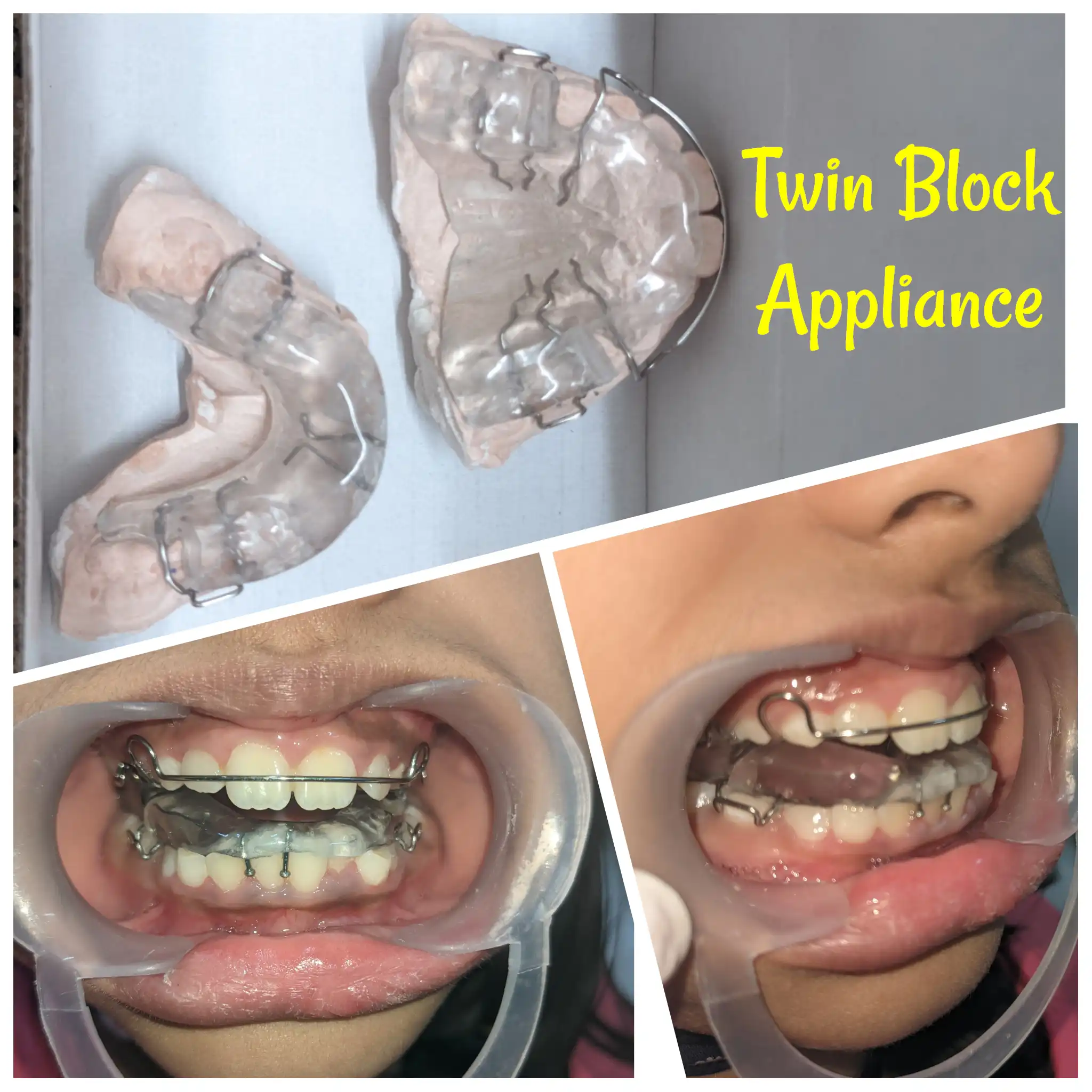
What are the different types of Braces?
There are several different types of braces available, each with its own set of advantages and disadvantages. Some of the most common types include:
- Metal braces: These are the most traditional type of braces and are made of metal brackets and wires. They are the most visible type of braces, but are also the most affordable and have the most extended history of being effective.
- Ceramic braces: These are similar to metal braces, but the brackets are made of ceramic, which is a tooth-colored material. Ceramic braces are less visible than metal braces, but they are also more fragile and may require more frequent adjustments.
- Clear aligners: These are a type of invisible braces that are made of clear plastic. Clear aligners such as Invisalign, are custom-made for each patient and are worn over the teeth. They are virtually invisible, but they are also more expensive and may not be as effective for severe bite or alignment issues.
- Lingual braces: These are similar to metal braces, but the brackets and wires are placed on the inside (lingual) of the teeth, making them virtually invisible. They are more difficult to clean and may be more uncomfortable than traditional braces.
- Self-ligating braces: These are a type of metal braces that use a different kind of bracket and wire system. The brackets have a built-in clip, which holds the wire in place, eliminating the need for elastic bands. They are less visible and may require fewer adjustments than traditional metal braces.
- Mini Braces: These are similar to traditional metal braces, but smaller in size, intended for minor corrections
It’s best to consult with an orthodontist to determine which type of braces would be most appropriate for your individual needs and goals. They will consider the severity of your bite or alignment issues, your age, and your personal preferences.
What is the process to get braces treatment started?
The process of getting braces treatment started typically involves the following steps:
- Initial consultation: The first step is to schedule a consultation with an orthodontist. During the consultation, the orthodontist will examine your teeth, jaw, and bite, and take X-rays if needed. They will then provide you with a diagnosis and recommend treatment options, including whether or not braces are appropriate for your case.
- Treatment planning: Once you have decided to proceed with treatment, the orthodontist will create a treatment plan that is tailored to your individual needs and goals. This may include the type of braces that will be used, the duration of treatment, and the estimated cost of treatment.
- Placement of braces: The next step is to place the braces on your teeth. This is typically done in a single appointment and can take anywhere from 30 minutes to several hours, depending on the type of braces and the severity of the bite or alignment issues.
- Adjustment appointments: After the braces are placed, you will need to schedule regular adjustment appointments with the orthodontist. These appointments are usually scheduled every 4-8 weeks and are used to adjust the braces and monitor progress.
- Removing the braces: Once the treatment is complete, the orthodontist will remove the braces. After the braces are removed, you will be given a retainer, which is a device that will hold your teeth in their new position. You may be instructed to wear the retainer full-time or only at night.
- Monitoring: The orthodontist will schedule follow-up appointments to ensure that the teeth are staying in their new position and that the patient’s bite is stable.
It’s important to note that the duration of the treatment and the specific steps involved can vary depending on the individual case and type of braces used. It’s best to consult with an orthodontist to get a better understanding of what to expect during the treatment process.
How much time does it take for the braces treatment to be over?
The duration of braces treatment can vary depending on the individual case and the type of braces used. However, on average, treatment can take anywhere from 18 months to 3 years.
For children, the treatment can take between 18-24 months, depending on the severity of the bite or alignment issues. Early treatment, also known as “Phase One” or “Interceptive” treatment, is usually shorter in duration than full treatment and may take 6 to 12 months.
For adults, treatment can take longer, up to 3 years, as adult bones are more mature, which can make treatment more complex and take longer than in a child. Also, adult patients may have additional oral health issues that need to be taken into account during treatment planning.
It’s important to note that the duration of treatment can also be affected by the patient’s compliance with the treatment plan and their willingness to follow the orthodontist’s instructions.
It’s best to consult with an orthodontist to get a more accurate estimate of the duration of treatment for your individual case. They will consider the severity of your bite or alignment issues, your age, and the type of braces used.
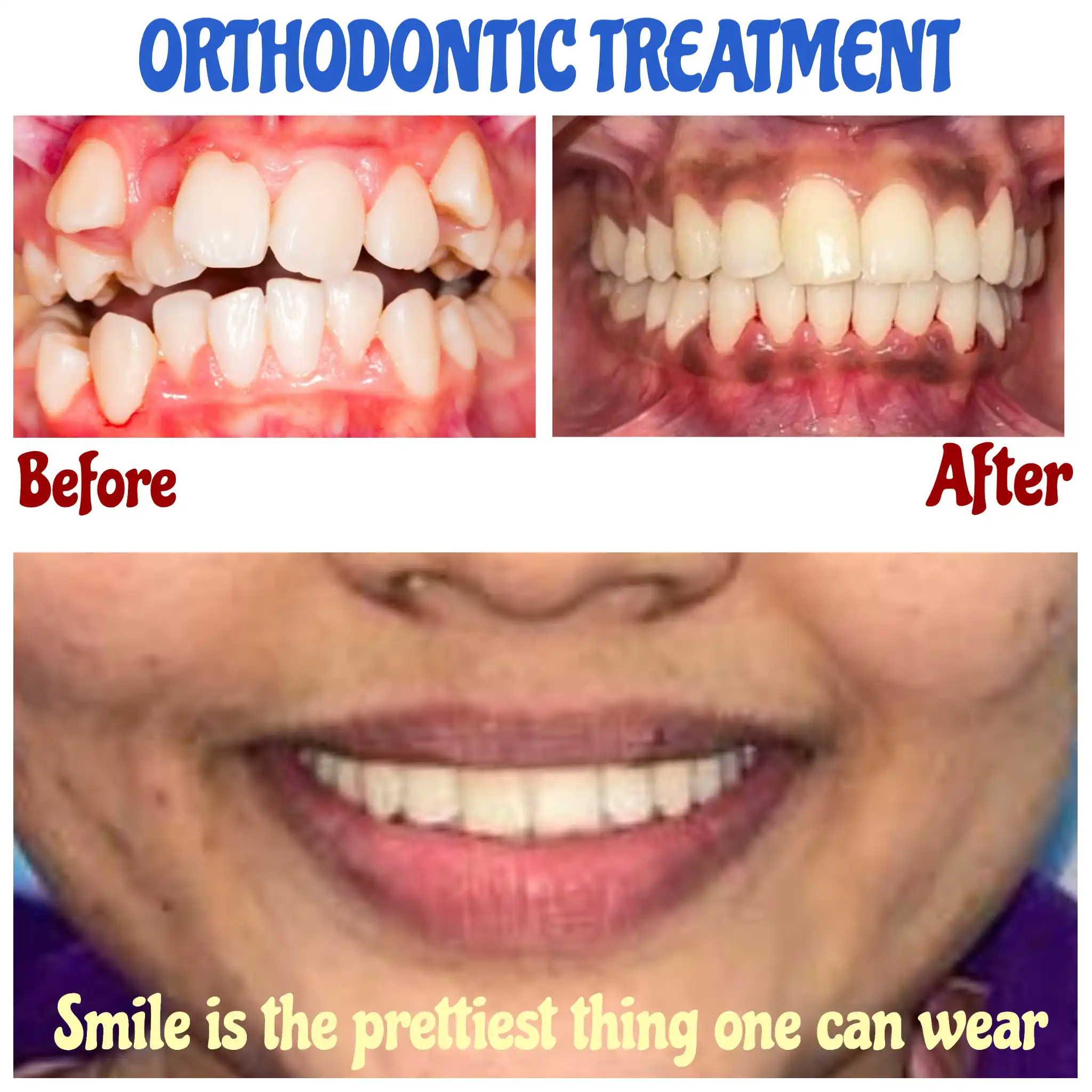
Does Braces treatment damage the teeth?
Braces treatment itself does not damage the teeth. In fact, braces are used to improve the alignment and health of the teeth. However, it’s important to note that there may be some temporary discomfort or side effects during the treatment.
Some patients may experience soreness or pain in the teeth and gums for the first few days after the braces are placed or adjusted. This is normal and can be managed with over-the-counter pain medication or by eating soft foods.
If the braces are not kept clean and food particles are not removed properly, it can lead to tooth decay and gum disease. Brackets and wires can also cause irritation to the cheeks and gums, and if not addressed, can lead to sores.
Proper oral hygiene is essential during treatment, it’s important to brush and floss regularly to prevent plaque buildup and tooth decay. The orthodontist will give instructions on how to properly clean the braces and teeth.
It’s important to keep all scheduled appointments with the orthodontist to ensure that the treatment is progressing as planned and that any issues are addressed in a timely manner.
Overall, when properly applied, braces treatment will not damage teeth, but rather improve them.
Do I have to wear retainers after the braces treatment?
Yes, it is common for orthodontic patients to wear retainers after the braces treatment. Retainers are custom-made devices that hold the teeth in their new position after the braces are removed. The purpose of retainers is to maintain the changes achieved during the braces treatment and prevent the teeth from shifting back to their original position.
The length of time for which retainers need to be worn can vary depending on the individual case and the type of braces used. In general, retainers are worn full-time for the first few months after the braces are removed, and then gradually worn less and less, until they are worn only at night. The orthodontist will give instructions on how long the retainers should be worn and when they should be worn.
It’s important to wear retainers as directed by the orthodontist, as not doing so can result in the teeth shifting back to their original position and the treatment goals not being met.
There are different types of retainers such as removable retainers, fixed retainers, and clear aligners. The orthodontist will recommend the type of retainer that will be best for you based on your individual case.
It’s important to note that retainers are not permanent and will need to be replaced over time, especially if they become worn or broken. It’s best to consult with the orthodontist if there are any issues with the retainer or if it needs to be replaced.